Hello AMD-OSX community,
After 40+ boot attempts and weeks of work, I finally got macOS Sequoia 15.7.7 booting bare-metal on an AMD EPYC server platform with SMT fully active. As far as I could find — after extensive searches across forums in EN/FR/DE/CN/RU/VN/KR/JP — no one had previously documented a successful bare-metal Sequoia boot on AMD EPYC. The only EPYC + macOS case out there is a Proxmox VM with PCIe passthrough, which doesn't count as bare metal.
Hardware:
Results:
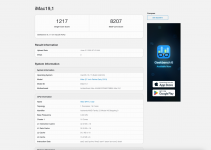
Public Geekbench result (verifiable):
Full writeup with the technical story (failed attempts, dead ends, the 4 key blockers I had to solve, BIOS settings, credits):
Huge thanks to Micking (Michael Perche) who unblocked me on the T2/SMBIOS issue when I was about to quit, and to the Acidanthera + AMD_Vanilla maintainers without whom none of this is possible.
I'm not publishing my config.plist, EFI or kernel patches — this is purely a documentation post about the journey. macOS on non-Apple hardware violates Apple's EULA, this is a personal/educational experiment.
Happy to discuss the technical hurdles in the comments — especially if anyone here is wrestling with EPYC Rome/Milan platforms and high-MMIO debugging on macOS.
— Jeremy "PASEO" Choulant
After 40+ boot attempts and weeks of work, I finally got macOS Sequoia 15.7.7 booting bare-metal on an AMD EPYC server platform with SMT fully active. As far as I could find — after extensive searches across forums in EN/FR/DE/CN/RU/VN/KR/JP — no one had previously documented a successful bare-metal Sequoia boot on AMD EPYC. The only EPYC + macOS case out there is a Proxmox VM with PCIe passthrough, which doesn't count as bare metal.
Hardware:
- Supermicro H11SSL-i v2.0 (server board, IPMI/BMC ASPEED)
- AMD EPYC 7302P (Zen 2 Rome, 16C/32T)
- AMD RX 6800 16GB (RDNA 2)
- 64GB DDR4 ECC RDIMM SK Hynix
- Crucial P310 2TB NVMe
- macOS Sequoia 15.7.7 (build 24G720)
Results:
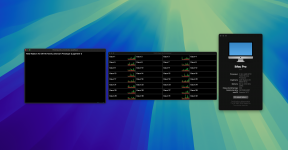
- 32 SMT threads detected by macOS (hw.ncpu=32, HTT flag active)
- Geekbench 6 Single: 1217 (+7.3% vs world average for this CPU)
- Geekbench 6 Multi: 8207 (+3.6% vs world average)
- GPU OpenCL RX 6800: 89761 (Mac Pro 2019 level)
- Native Ethernet, audio, USB, daily-driver stable
Public Geekbench result (verifiable):
Full writeup with the technical story (failed attempts, dead ends, the 4 key blockers I had to solve, BIOS settings, credits):
Huge thanks to Micking (Michael Perche) who unblocked me on the T2/SMBIOS issue when I was about to quit, and to the Acidanthera + AMD_Vanilla maintainers without whom none of this is possible.
I'm not publishing my config.plist, EFI or kernel patches — this is purely a documentation post about the journey. macOS on non-Apple hardware violates Apple's EULA, this is a personal/educational experiment.
Happy to discuss the technical hurdles in the comments — especially if anyone here is wrestling with EPYC Rome/Milan platforms and high-MMIO debugging on macOS.
— Jeremy "PASEO" Choulant